
Avoiding Trendy but Unnecessary Baby Products: A Parent’s Guide to Smart Shopping
Welcoming a new baby is an exciting—and sometimes overwhelming—experience. From the moment you announce your pregnancy, you’ll likely be bombarded with advice, advertisements, and endless lists of “must-have” baby gear. While some baby products are essential for comfort and safety, many trendy items are more about style than substance. If you’re feeling lost in a sea of options, you’re not alone! This guide will help you distinguish between truly necessary baby products and those you can skip, saving you money, space, and stress.
Why So Many Baby Products Seem Essential
Babies have been raised for generations with just the basics, yet today’s market is packed with new gadgets, gear, and gizmos. Social media influencers, targeted ads, and well-meaning friends often tout the latest trends as essentials. But what’s driving this explosion of products?
- Parental anxiety: New parents want to give their child the best, and marketers tap into this instinct.
- Peer pressure: Seeing others flaunt high-end strollers and designer diaper bags can make you feel like you need them too.
- Convenience culture: Many products promise to make parenting easier, but not all deliver meaningful value.
Trendy Baby Products You Probably Don’t Need
Here’s a rundown of popular but unnecessary baby items, and why you might want to reconsider adding them to your registry or shopping list:
1. Wipe Warmers
While the idea of a toasty wipe sounds appealing, most babies are perfectly content with room-temperature wipes. Plus, wipe warmers can introduce mold and bacteria if not cleaned regularly.
2. Bottle Sterilizers
Unless your baby has specific health concerns or your pediatrician recommends sterilizing, a good wash with hot soapy water is sufficient for bottles and nipples. Sterilizers take up space and add cost without much added benefit for most families.
3. Baby Shoes (for Non-Walkers)
Those tiny sneakers are adorable, but infants who aren’t walking don’t need shoes. Socks or booties keep feet warm, and bare feet are best for development during tummy time and crawling stages.
4. Shopping Cart Covers
While they claim to protect against germs, a simple wipe-down of the cart handle or using a blanket does the job. Shopping cart covers can be bulky and inconvenient to carry around.
5. Specialized Formula Dispensers
While handy, these gadgets are rarely necessary. Pre-measuring formula into small containers or resealable bags works just as well for feedings on the go.
6. Baby Food Makers
Many parents swear by these, but a regular blender, food processor, or even a fork can mash up baby food just fine. Buying a specialized appliance can be redundant if you already have kitchen tools that do the job.
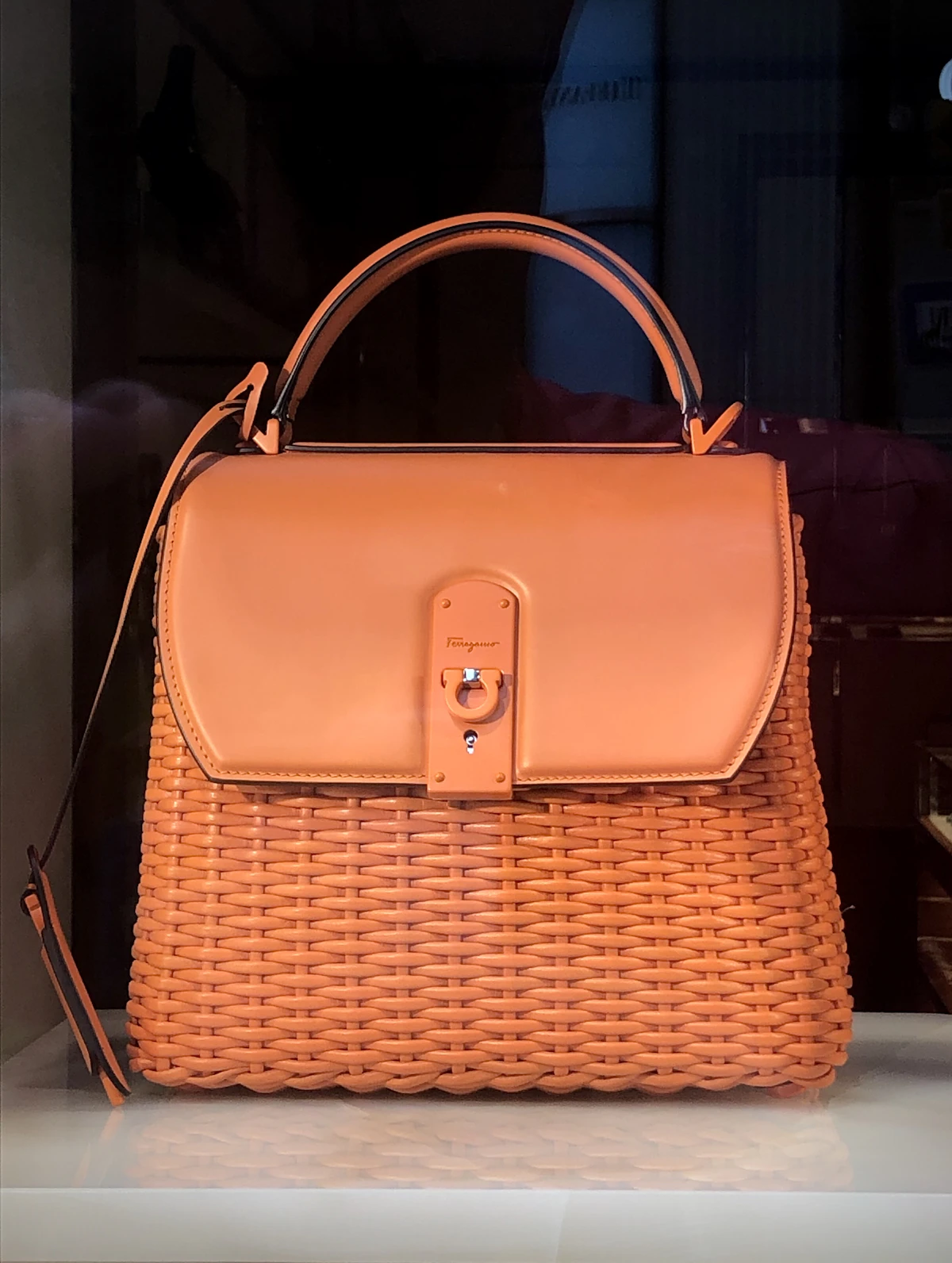
7. Designer Diaper Bags
Functionality should trump fashion. Any spacious, comfortable bag with pockets will suffice—no need to splurge on a high-end diaper bag if a sturdy tote works for you.
8. Changing Tables
A dedicated changing table isn’t a necessity. Many parents use a changing pad on a dresser or bed, saving space and money.
How to Spot (and Resist) Trendy, Unnecessary Purchases
So how can you tell what’s truly essential and what’s just hype? Here are some strategies to help:
- Ask Experienced Parents: Seasoned parents can offer candid feedback on what they actually used and what gathered dust.
- Consult Reliable Sources: Trusted sites like the American Academy of Pediatrics, Consumer Reports, and Growing Giggles offer unbiased advice.
- Consider Longevity and Versatility: Choose products that grow with your baby or have multiple uses.
- Prioritize Safety and Comfort: Essentials include a safe car seat, crib, diapers, and feeding supplies. Everything else is secondary.
- Wait and See: Hold off on purchasing items you’re unsure about. If a real need arises, you can always buy later.
Building a Minimalist Baby Registry
Minimalist parenting isn’t about depriving your child—it’s about focusing on what matters most. Here’s how to create a registry that covers the basics without the excess:
- Clothing: 5-7 onesies, 3-5 sleepers, socks, a hat, and a couple of swaddles or sleep sacks.
- Sleep: Crib or bassinet with a firm mattress and fitted sheets.
- Feeding: Bottles, formula or breast pump (if needed), burp cloths, and bibs.
- Diapering: Diapers, wipes, diaper cream, and a portable changing mat.
- Travel: Car seat, stroller or baby carrier, and a simple diaper bag.
- Bathing: Baby bathtub (optional), gentle soap, and soft towels.
Items You Can Skip (or Buy Later if Needed)
- Wipe warmers
- Baby shoes (for non-walkers)
- Specialized formula dispensers
- Shopping cart covers
- Baby food makers
- Designer diaper bags
- Dedicated changing tables
- Fancy crib bedding sets (a fitted sheet is enough!)
Smart Shopping Tips for New Parents
Ready to start shopping? Keep these tips in mind to help you avoid unnecessary purchases and build a practical collection of baby gear:
- Set a Budget: Know your spending limits and stick to them.
- Research Before You Buy: Read reviews and check safety ratings.
- Buy Secondhand: Many items like clothing, bouncers, and toys can be safely purchased used (just avoid used car seats and cribs unless you know their history).
- Accept Hand-Me-Downs: Friends and family are often eager to pass on gently used baby gear.
- Resist Impulse Buys: If you see a cute or trendy item, wait 24 hours before purchasing. You might find you don’t really need it.
How Marketing and Social Media Influence Baby Shopping
It’s easy to feel like you’re missing out if you don’t buy the latest gadget featured on parenting blogs or Instagram. Remember, what works for one family may not work for yours. Trust your instincts and the advice of trusted sources over influencer recommendations.
Here’s how to keep social media influence in check:
- Follow a variety of parenting voices, not just those with sponsored posts.
- Look for real-life reviews and feedback in parenting forums.
- Remember, staged photos don’t always represent daily realities!
Minimalist Parenting: The Benefits
By focusing on essentials and avoiding unnecessary products, you’ll enjoy:
- Less clutter in your home.
- More savings for future needs.
- Reduced stress from fewer items to clean, store, and maintain.
- More time to enjoy with your baby instead of managing stuff.
Final Thoughts
There’s no one-size-fits-all approach to baby shopping, but a little research and restraint can go a long way. Focus on what your baby will truly use and enjoy, and don’t let trends dictate your purchases. After all, the best investment you can make is in your child’s happiness—not a pile of rarely used baby gadgets. Happy parenting!
Frequently Asked Questions
- What are some examples of unnecessary baby products?
- Unnecessary baby products include wipe warmers, specialized formula dispensers, shopping cart covers, and baby shoes for non-walkers. These items often add clutter without significantly benefiting your baby.
- How do I know if a baby product is essential?
- Consider whether the product addresses a daily need, enhances safety, or promotes your baby's development. Essentials typically include items like a safe crib, car seat, basic clothing, and feeding supplies.
- How can I avoid making impulse purchases for my baby?
- Make a well-researched list of essentials before shopping, consult trusted parents or pediatricians, and wait 24 hours before making non-essential purchases to reduce impulse buys.
- Is it okay to buy secondhand baby items?
- Yes, as long as the items meet current safety standards and are in good condition. Avoid buying used car seats and cribs unless you can confirm their safety history.