Adapting Baby Care Habits for Different Climates: A Parent’s Guide
Whether you’re basking under the sun, braving chilly winds, or navigating a humid monsoon, your baby’s comfort and health depend on how you adapt daily care routines to the climate. Babies are far more sensitive to temperature and environmental changes than adults, making it crucial for parents to adjust habits seasonally and geographically. Let’s explore expert strategies for keeping your little one happy and healthy, no matter where you live or travel.
Why Climate Matters in Baby Care
Babies can’t regulate their body temperature as efficiently as adults. Their skin is delicate, their sweat glands are still developing, and their immune systems are not fully matured. Climate impacts everything—from what your baby wears to how you manage feedings, naps, and even playtime. Understanding these effects helps you prevent discomfort, health risks, and common seasonal issues like heat rash, dry skin, or chills.
Adapting Baby Care for Hot Climates
Clothing Choices
- Opt for lightweight, breathable fabrics like cotton or bamboo.
- Dress your baby in loose-fitting outfits to promote air circulation.
- Avoid synthetic fabrics that trap heat.
- Use wide-brimmed hats for sun protection.
Hydration and Feeding
- Offer breastmilk or formula more frequently; babies lose fluids faster in heat.
- For older babies, provide sips of water (as recommended by your pediatrician).
- Watch for signs of dehydration: fewer wet diapers, dry lips, lethargy.
Skin Care
- Apply gentle, baby-safe sunscreen (SPF 30+) to exposed skin for babies over 6 months.
- Keep skin dry to avoid heat rash—change clothes and diapers often.
- Use a cool, damp washcloth for quick refreshes.
Safe Sleep Practices
- Dress your baby lightly for sleep and avoid heavy blankets.
- Keep the nursery cool with a fan or air conditioning, but avoid direct airflow.
- Check your baby’s neck or back for signs of overheating.
Outdoor Safety
- Limit outdoor time during peak sun hours (10am-4pm).
- Seek shade and use a stroller canopy.
- Never leave your baby in a parked car, even for a minute.
Adapting Baby Care for Cold Climates
Layering Up
- Dress your baby in layers: a soft base, a warm mid-layer, and a waterproof outer layer.
- Use hats, mittens, and booties to protect extremities.
- Remove layers indoors to prevent overheating.
Moisturizing and Skin Care
- Apply fragrance-free, gentle moisturizers to prevent dry, chapped skin.
- Use barrier creams on cheeks and lips if exposed to wind.
- Avoid hot baths; use lukewarm water to maintain skin moisture.
Safe Sleep in Winter
- Keep the nursery at a comfortable temperature (68-72°F or 20-22°C).
- Use sleep sacks instead of heavy blankets.
- Check regularly for cold hands, feet, or signs of discomfort.
Outdoor Play
- Limit time outdoors during extreme cold or wind chill.
- Dress your baby warmly, but check for overheating once indoors.
- Watch for signs of frostbite: pale, hard skin on fingers, toes, or cheeks.
Adapting Baby Care for Humid Climates
Managing Moisture
- Change clothes and diapers frequently to prevent rashes.
- Choose moisture-wicking fabrics for clothes and bedding.
- Use talc-free powders as recommended by your pediatrician.
Skin Care
- Apply lightweight lotions; heavier creams can clog pores.
- Watch for fungal infections in skin folds and treat promptly.
- Give quick, tepid baths to refresh your baby.
Sleep and Comfort
- Use a fan or air conditioning to reduce humidity in the nursery.
- Keep bedding light and breathable.
- Monitor for signs of discomfort: fussiness, sweating, or redness.
Adapting Baby Care for Dry Climates
Hydration
- Increase breastmilk or formula feeds to compensate for fluid loss.
- Offer water for older babies, as advised by your healthcare provider.
Skin Protection
- Apply rich, hydrating moisturizers after baths.
- Use humidifiers in the nursery to add moisture to the air.
- Protect lips and cheeks with gentle balms.
Comfort Tips
- Avoid overdressing, as dry air can cause overheating.
- Check for dry, flaky skin and treat promptly.
- Use gentle, non-soap cleansers during bath time.
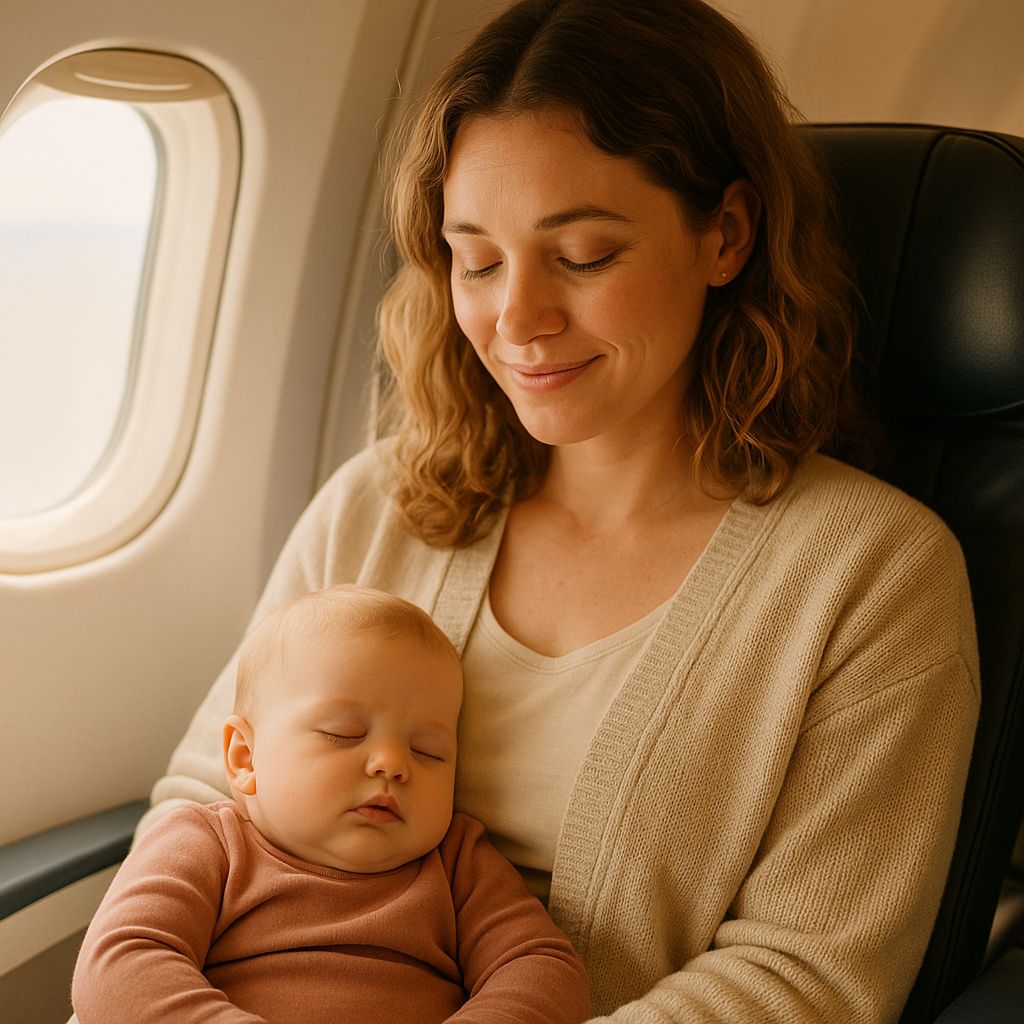
Traveling with Baby: Climate Transitions
Traveling between climates can be tricky. Here’s how to ease transitions:
- Prepare a climate-specific travel kit with sunscreen, moisturizer, hats, and layers.
- Gradually adjust your baby’s clothing and routines as you acclimatize.
- Monitor your baby for signs of discomfort, dehydration, or skin issues.
- Consult your pediatrician about travel vaccines or special precautions.
Remember, it may take a few days for your baby to adapt. Patience and extra attention are key during transitions.
Common Climate-Related Baby Issues and Solutions
Heat Rash
Caused by blocked sweat glands in hot, humid weather. Prevent by keeping skin dry, dressing lightly, and avoiding tight clothes. Treat with cool baths and gentle, unscented lotions.
Dry Skin
Frequent in cold or dry climates. Use rich moisturizers, humidifiers, and avoid harsh soaps.
Sunburn
Protect your baby with hats, shade, and sunscreen for babies over 6 months. For infants under 6 months, avoid direct sunlight altogether.
Dehydration
Offer extra feeds and watch for fewer wet diapers, dry mouth, or fatigue. Consult your pediatrician if concerned.
Chills and Frostbite
Layer clothing, minimize outdoor exposure, and warm up indoors quickly if your baby seems cold.
Expert Tips for Every Climate
- Always check your baby’s comfort by feeling their neck, back, hands, and feet.
- Adapt routines for naps, play, and feeding based on the weather and your baby’s cues.
- Stay flexible—babies may need extra feeds, shorter outdoor time, or more skin care in certain climates.
- Consult your pediatrician for advice, especially in extreme weather or during travel.
Conclusion: Keeping Your Baby Comfortable Year-Round
Adapting baby care habits for different climates isn’t just about comfort—it’s about safety and health. From choosing the right clothes to monitoring hydration and skin, a few simple adjustments can make a world of difference. Listen to your baby’s cues, stay proactive, and enjoy every season with confidence.
Whether you’re home or abroad, Growing Giggles is here with expert tips for happy, healthy babies—no matter the weather. Share your favorite climate-specific baby care hacks in the comments!